- Home
- About
- Services
- Total Knee Replacement
- Total Hip Replacement
- Reverse Shoulder Replacement
- Robotic Shoulder Replacement
- Arthroscopic ACL Reconstruction
- Arthroscopic Meniscus Repair
- Arthroscopic Rotator Cuff Repair
- Arthroscopic Biological Cartilage Regeneration for Joint Preservation
- Robotic Total Knee Replacement
- Robotic Total Hip Replacement
- FAQ
- Our Gallery
- Home
- About
- Services
- Total Knee Replacement
- Total Hip Replacement
- Reverse Shoulder Replacement
- Robotic Shoulder Replacement
- Arthroscopic ACL Reconstruction
- Arthroscopic Meniscus Repair
- Arthroscopic Rotator Cuff Repair
- Arthroscopic Biological Cartilage Regeneration for Joint Preservation
- Robotic Total Knee Replacement
- Robotic Total Hip Replacement
- FAQ
- Our Gallery
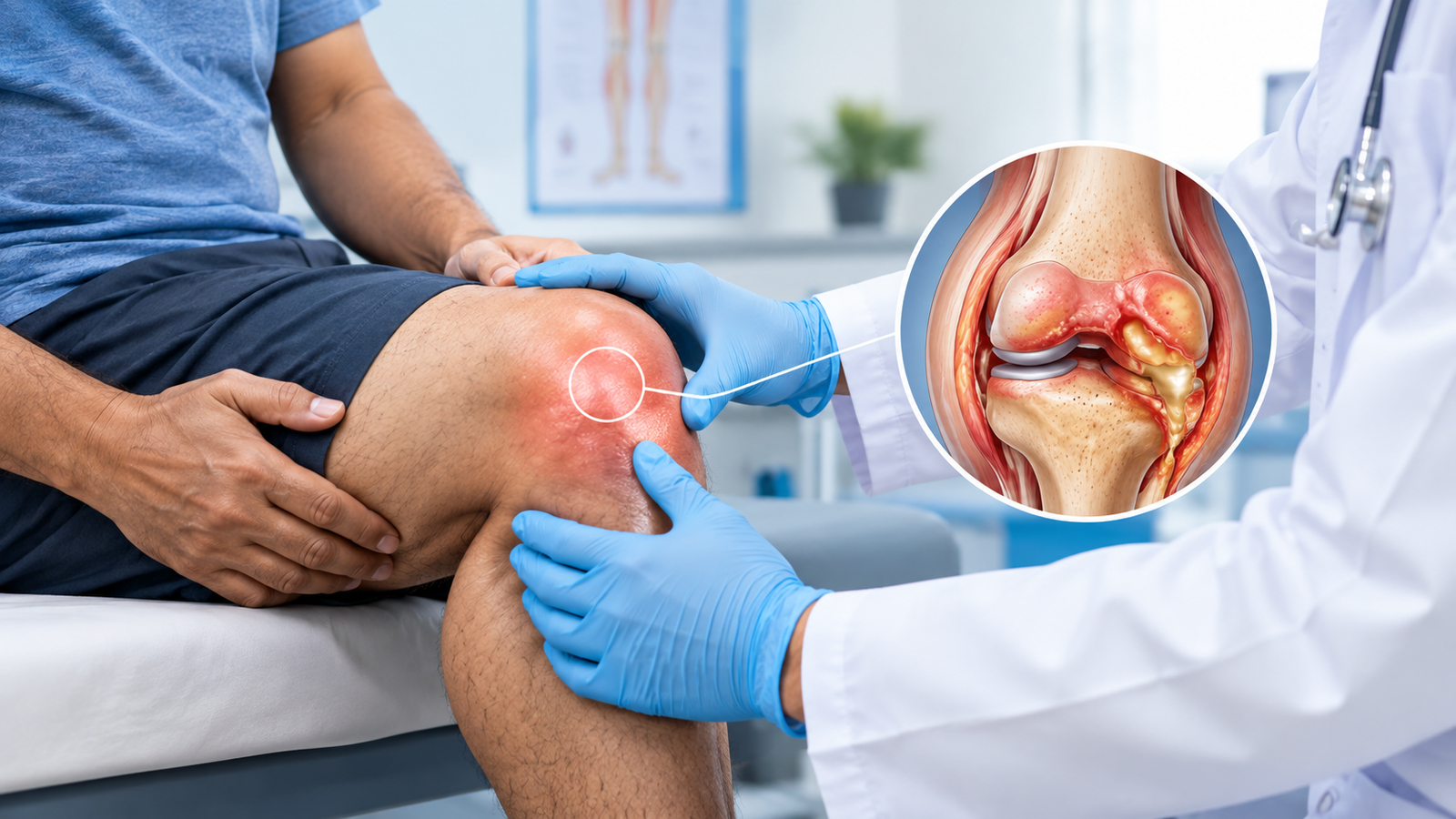
What Is Arthroscopic Biological Cartilage Regeneration?
Arthroscopic Biological Cartilage Regeneration is an advanced, minimally invasive orthopaedic procedure designed to repair damaged cartilage and preserve the natural joint. Unlike joint replacement surgery, this treatment focuses on stimulating the body's natural healing response to regenerate cartilage in carefully selected patients.
The procedure is performed using arthroscopy, where a high-definition camera and specialised instruments are inserted through small incisions to assess and treat cartilage damage with precision. Depending on the patient’s condition, Dr. Nashit S. Ansari may perform biological cartilage restoration techniques such as microfracture, cartilage stimulation, marrow stimulation procedures, or other biologic augmentation techniques to encourage new cartilage formation.
This treatment is commonly recommended for patients with localised cartilage defects, early-stage arthritis, sports injuries, or cartilage damage who wish to preserve their natural joint and maintain an active lifestyle.
Not every cartilage injury is suitable for biological regeneration. Patient selection is crucial, and treatment recommendations are based on a detailed orthopaedic evaluation.

Benefits of Biological Cartilage Regeneration
For the right patient, treating cartilage damage early changes what the next twenty years look like. Where the damage is localised and the joint is otherwise healthy, biological regeneration offers:
- Preserves the natural joint
- Delays or may reduce the need for joint replacement in selected patients
- Minimally invasive procedure
- Encourages the body's natural healing process
- Suitable for active individuals with localised cartilage damage
Few Of The Common Concerns
Cartilage damage often sits in an awkward middle ground - too painful to ignore, not advanced enough for joint replacement. Patients describe persistent joint pain, swelling, stiffness, difficulty walking, pain during physical activity, a reduced range of motion, clicking or catching, joint locking, difficulty climbing stairs and a noticeable drop in sports performance. Many are told to wait until the joint is bad enough to replace. For a younger or active patient with a localised defect, that wait is worth questioning - which is exactly what this consultation is for.
No. Not every cartilage injury is suitable for biological regeneration, and patient selection is crucial. Suitability is assessed through a detailed orthopaedic evaluation that considers the size of the cartilage defect, the depth of damage, joint alignment, overall joint health and any associated ligament or meniscus injuries. It is generally best suited to localised cartilage defects, early-stage arthritis and sports-related cartilage injuries rather than advanced, widespread joint degeneration.
Joint replacement removes the damaged joint surfaces and replaces them with an implant. Biological cartilage regeneration takes the opposite approach - it preserves your natural joint and stimulates the body's own healing response to repair the damaged cartilage. In selected patients it can delay or may reduce the need for joint replacement, which is particularly relevant for younger and active people who would otherwise face replacement early in life.
Depending on your condition, the surgeon may perform biological cartilage restoration techniques such as microfracture, cartilage stimulation, marrow stimulation procedures, or other biologic augmentation techniques to encourage new cartilage formation. The choice is made according to clinical indication rather than applied as a single standard method, and associated joint injuries may be treated during the same procedure.
The procedure is designed to encourage new cartilage formation by stimulating the body's natural healing response rather than to guarantee a specific result. Successful cartilage regeneration depends on the biological healing response, the rehabilitation programme and adherence to post-operative instructions. Dr. Ansari will explain what is realistically achievable for your particular defect during consultation, rather than offering a fixed outcome in advance.
Diagnosis begins with a comprehensive joint examination covering joint stability assessment, range of motion evaluation, swelling assessment, pain localisation, walking pattern analysis and functional movement assessment. An MRI scan is preferred for cartilage assessment, supported by digital X-rays, a CT scan in selected cases and blood investigations before surgery.
Recovery typically includes pain and swelling management, protected weight-bearing if advised, guided physiotherapy, controlled range-of-motion exercises, progressive muscle strengthening, balance and coordination training, functional rehabilitation and regular follow-up consultations. Rehabilitation matters more here than in many procedures, because the outcome depends on how well the new cartilage is allowed to form.
Get in touch with us
Availability
24 x 7
Our Services
Physiotherapy Services
How to start a physiotherapy for beginners?