- Home
- About
- Services
- Total Knee Replacement
- Total Hip Replacement
- Reverse Shoulder Replacement
- Robotic Shoulder Replacement
- Arthroscopic ACL Reconstruction
- Arthroscopic Meniscus Repair
- Arthroscopic Rotator Cuff Repair
- Arthroscopic Biological Cartilage Regeneration for Joint Preservation
- Robotic Total Knee Replacement
- Robotic Total Hip Replacement
- FAQ
- Our Gallery
- Home
- About
- Services
- Total Knee Replacement
- Total Hip Replacement
- Reverse Shoulder Replacement
- Robotic Shoulder Replacement
- Arthroscopic ACL Reconstruction
- Arthroscopic Meniscus Repair
- Arthroscopic Rotator Cuff Repair
- Arthroscopic Biological Cartilage Regeneration for Joint Preservation
- Robotic Total Knee Replacement
- Robotic Total Hip Replacement
- FAQ
- Our Gallery
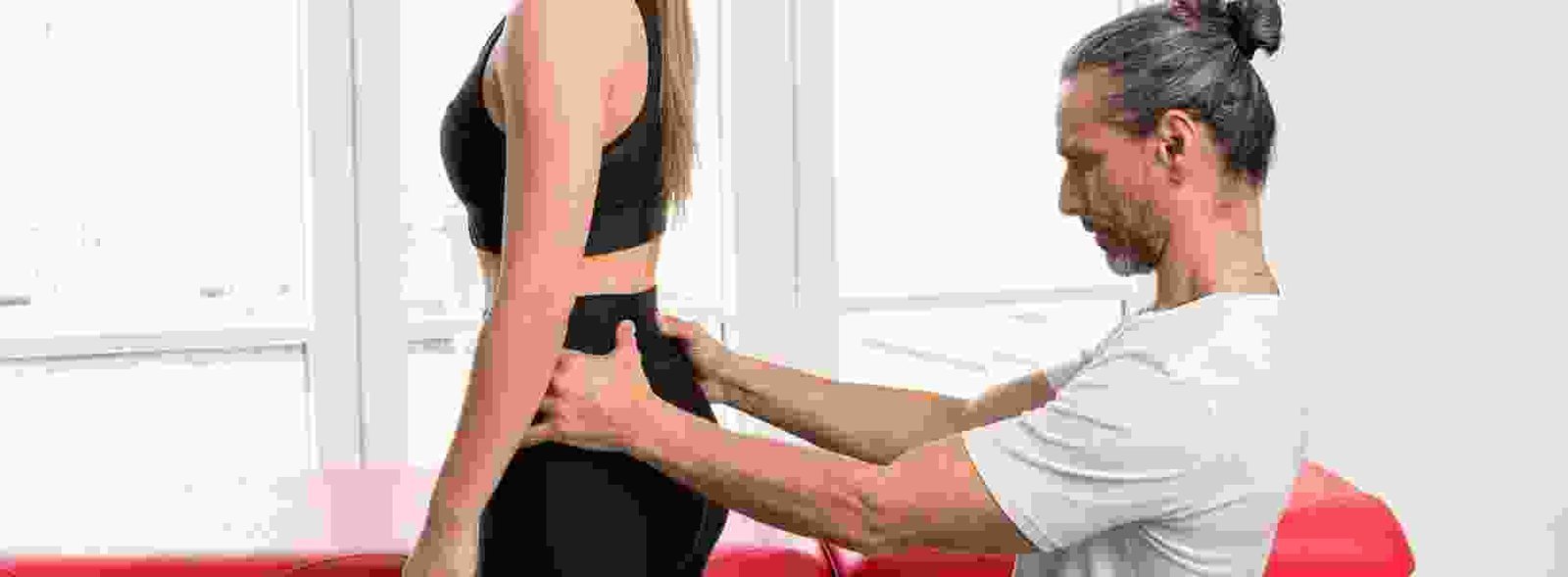
What Is Arthroscopic Rotator Cuff Repair?
Arthroscopic Rotator Cuff Repair is a minimally invasive orthopaedic procedure performed to repair torn tendons of the rotator cuff - a group of four muscles and tendons that stabilise the shoulder and enable smooth arm movement. Rotator cuff tears may result from sports injuries, trauma, repetitive overhead activities, or age-related wear and tear.
The procedure is performed using an arthroscope, a high-definition camera inserted through small incisions around the shoulder. Dr. Nashit S. Ansari then uses specialised surgical instruments to repair the torn tendon and reattach it to the bone using advanced fixation techniques.
Compared with traditional open surgery, arthroscopic surgery allows excellent visualisation of the shoulder joint while minimising tissue damage, leading to less post-operative discomfort and a structured recovery through physiotherapy.

Benefits of Arthroscopic Rotator Cuff Repair
A torn rotator cuff does not reliably heal by itself, and the shoulder compensates in ways that create new problems. Repairing the tendon arthroscopically offers:
- Minimally invasive surgery with small incisions
- Reduced damage to surrounding muscles and tissues
- Relief from persistent shoulder pain
- Restoration of shoulder strength
- Preservation of healthy shoulder structures
Few Of The Common Concerns
For most patients with a rotator cuff tear, the night is the worst part. Difficulty sleeping on the affected side is one of the most common reasons people finally seek help, often after months of managing the daytime symptoms. Alongside it come persistent shoulder pain, pain while lifting the arm or reaching overhead, weakness, a limited range of motion, a clicking or catching sensation, difficulty dressing or combing hair, and pain while reaching behind the back. Many patients have already tried rest, medication and physiotherapy. Surgery is considered when conservative treatment has not restored function.
Most tears can be repaired arthroscopically, including partial and full-thickness tears. Where a tear is massive and genuinely irreparable, particularly when combined with shoulder arthritis, reverse shoulder replacement is the alternative - it repositions the ball and socket so the deltoid muscle takes over the work of the damaged cuff. Which applies to you is determined by examination and imaging, not assumed in advance.
Small incisions are made around the shoulder and an arthroscope is inserted to visualise the joint. Damaged tissue is carefully assessed, the torn tendon is mobilised and repaired, and specialised suture anchors secure the tendon back to the bone. Associated shoulder problems, if present, may be treated during the same procedure, and the repair is checked before surgery is completed.
Difficulty sleeping on the affected side is one of the most characteristic symptoms of a rotator cuff tear, and often the one that prompts patients to seek treatment. It usually accompanies persistent shoulder pain, pain while lifting the arm, weakness and a limited range of motion. Night pain that persists for weeks is worth having assessed rather than working around.
Smoking is listed among the risk factors for rotator cuff injury because it may affect tendon healing. Since the success of this procedure depends on a repaired tendon knitting back to bone, it is worth discussing smoking openly with your surgeon before surgery is planned.
Diagnosis begins with a comprehensive shoulder examination covering range of motion assessment, rotator cuff strength testing, shoulder stability evaluation, functional movement assessment, pain localisation and impingement tests. An MRI scan is preferred for tendon injuries, supported by digital X-rays, an ultrasound scan in selected cases, a CT scan when required, and blood investigations before surgery.
Results vary based on your condition, commitment, and treatment plan. Some people feel improvement after just a few sessions, while others may require several weeks for noticeable progress. Consistency is key to successful recovery.
Get in touch with us
Availability
24 x 7
Our Services
Physiotherapy Services
How to start a physiotherapy for beginners?